Table Of Content
Related Posts


Best Fortinet Alternatives & Competitors for Unified SASE in 2026 (Reviewed)
-
May 8, 2026
-
Summary: DLP solutions (Data Loss Prevention solutions) protect sensitive data from unauthorized access, transfer, or exposure across endpoints, cloud apps, and AI tools. Modern DLP tools like Kitecyber, Microsoft Purview, and Nightfall AI use AI and data lineage to track how data moves, reducing false positives by over 90% compared to legacy systems. The best 2025 DLP solutions combine content and context awareness, protecting data across SaaS platforms, endpoints, and generative AI environments.
The way companies work has changed faster than most security vendors expected.
Employees no longer sit behind a corporate firewall inside a controlled office network. Teams now work from browsers, SaaS apps, unmanaged devices, cloud workloads, and AI copilots. AI agents already connect to internal systems, customer databases, repositories, CRMs, ticketing platforms, and automation workflows with minimal human involvement.
That shift created pressure on traditional security architectures.
Many organizations adopted Fortinet during the era when network appliances and branch firewalls formed the center of enterprise security. FortiGate appliances became popular because they offered strong performance, integrated networking, and relatively affordable pricing compared to many enterprise competitors. But enterprise traffic patterns look very different in 2026.
Users move between SaaS applications all day. Contractors connect from unmanaged devices. AI agents access internal systems autonomously. Sensitive company data flows through browser sessions instead of traditional VPN tunnels. Security teams increasingly care about identity, SaaS visibility, and AI behavior instead of just packet inspection.
This explains why searches for fortinet alternatives, Fortinet competitors, and Fortinet replacement solutions continue to rise across Reddit, Quora, and enterprise IT communities.
Many organizations still respect Fortinet’s firewall capabilities. The concern usually centers around whether traditional appliance-first architecture can keep pace with cloud-first environments and AI-driven workflows-first environments and AI-driven workflows.
That shift created pressure on traditional security architectures.
Many organizations adopted Fortinet during the era when network appliances and branch firewalls formed the center of enterprise security. FortiGate appliances became popular because they offered strong performance, integrated networking, and relatively affordable pricing compared to many enterprise competitors. But enterprise traffic patterns look very different in 2026.
Users move between SaaS applications all day. Contractors connect from unmanaged devices. AI agents access internal systems autonomously. Sensitive company data flows through browser sessions instead of traditional VPN tunnels. Security teams increasingly care about identity, SaaS visibility, and AI behavior instead of just packet inspection.
This explains why searches for fortinet alternatives, Fortinet competitors, and Fortinet replacement solutions continue to rise across Reddit, Quora, and enterprise IT communities.
Many organizations still respect Fortinet’s firewall capabilities. The concern usually centers around whether traditional appliance-first architecture can keep pace with cloud-first environments and AI-driven workflows-first environments and AI-driven workflows.
Security leaders repeatedly mention similar frustrations:
- licensing complexity
- operational overhead
- SSL VPN concerns
- cloud visibility limitations
- difficult policy management
- hardware dependence
- fragmented SASE experiences
At the same time, a larger market shift is happening quietly.
AI agents are introducing a new category of risk that traditional SASE platforms were never designed to manage. AI systems can take actions, interact with tools, execute workflows, retrieve sensitive data, and make autonomous decisions across multiple systems.
That creates security challenges at the identity, application, workflow, and runtime level. This guide breaks down the best Fortinet alternatives in 2026, why enterprises are replacing Fortinet.
AI agents are introducing a new category of risk that traditional SASE platforms were never designed to manage. AI systems can take actions, interact with tools, execute workflows, retrieve sensitive data, and make autonomous decisions across multiple systems.
That creates security challenges at the identity, application, workflow, and runtime level. This guide breaks down the best Fortinet alternatives in 2026, why enterprises are replacing Fortinet.
Why Enterprises Are Looking Beyond Fortinet
Fortinet remains one of the biggest names in enterprise cybersecurity. The company still performs extremely well in firewall, SD-WAN, and branch security markets. Many large organizations continue expanding their Fortinet deployments because the platform delivers reliable performance and broad networking functionality.
The issue is not whether Fortinet works.
The issue is whether traditional network-centric security models fit modern cloud and AI workflows.
A growing number of IT leaders say their environments became harder to manage as cloud adoption accelerated. Remote work expanded rapidly. SaaS traffic exploded. Identity-based access models replaced many VPN workflows. AI copilots started interacting with enterprise systems in ways older architectures never anticipated.
That created friction for companies that built their infrastructure around perimeter security.
Several discussions across Reddit and MSP communities mention licensing complexity as a major pain point. Security teams managing large Fortinet deployments often deal with multiple licensing layers, appliance renewals, subscription dependencies, and procurement friction that slow down operations.
Cloud-native vendors recognized this frustration early.
Competitors like Zscaler, Netskope, and Cato Networks positioned themselves around operational simplicity and centralized cloud management. Instead of forcing organizations to scale appliance infrastructure across multiple locations, these vendors focused on cloud-delivered inspection and identity-centric access models.
The rise of SASE accelerated that transition even further.
Many organizations no longer want users routing traffic back through centralized VPN concentrators. They want direct-to-cloud connectivity with consistent policy enforcement and better SaaS visibility. Security leaders increasingly prefer architectures that scale globally without requiring large hardware rollouts.
Fortinet has invested heavily in SASE and cloud services, but market perception still often associates the company with appliance-first networking.
That perception matters during enterprise buying decisions.
Another factor driving change involves VPN security. SSL VPN vulnerabilities became a recurring topic across security communities over the past few years. Many organizations responded by accelerating zero trust initiatives and reducing dependence on legacy remote access models.
The conversation around AI is now pushing the market even further.
Traditional SASE platforms mainly focus on securing users, endpoints, devices, and traffic. AI agents introduce a completely different challenge because these systems can operate autonomously across enterprise environments.
An AI agent may access internal documentation, interact with APIs, retrieve sensitive data, and execute actions without continuous human review. Traditional firewall inspection alone does not solve that problem.
What Modern Security Teams Want From a Fortinet Alternative
Organizations evaluating Fortinet alternatives are usually trying to solve one specific problem first.
Some companies want simpler management. Others want stronger SaaS visibility. Some want lower operational overhead. Others need cloud-native scalability or better support for remote work environments.
Increasingly, many security leaders are also preparing for AI-native operations.
That changes evaluation criteria significantly.
A few years ago, most SASE buying decisions centered around:
Increasingly, many security leaders are also preparing for AI-native operations.
That changes evaluation criteria significantly.
A few years ago, most SASE buying decisions centered around:
- VPN replacement
- SD-WAN
- branch connectivity
- secure web gateways
- CASB functionality
Today, enterprise buyers increasingly evaluate:
- identity-centric access
- SaaS governance
- AI workflow visibility
- non-human identity management
- autonomous system behavior
- runtime activity monitoring
This shift affects how companies compare vendors.
Some organizations still prioritize deep networking capabilities and advanced firewall inspection. Others prioritize operational simplicity and cloud-native deployment speed. AI-focused organizations may now prioritize visibility into agent behavior and autonomous workflows.
That means there are no universal “best” Fortinet alternatives.
The right choice depends entirely on how your environment is changing.
Some organizations still prioritize deep networking capabilities and advanced firewall inspection. Others prioritize operational simplicity and cloud-native deployment speed. AI-focused organizations may now prioritize visibility into agent behavior and autonomous workflows.
That means there are no universal “best” Fortinet alternatives.
The right choice depends entirely on how your environment is changing.
Kitecyber Is Positioning Around AI Agent Security
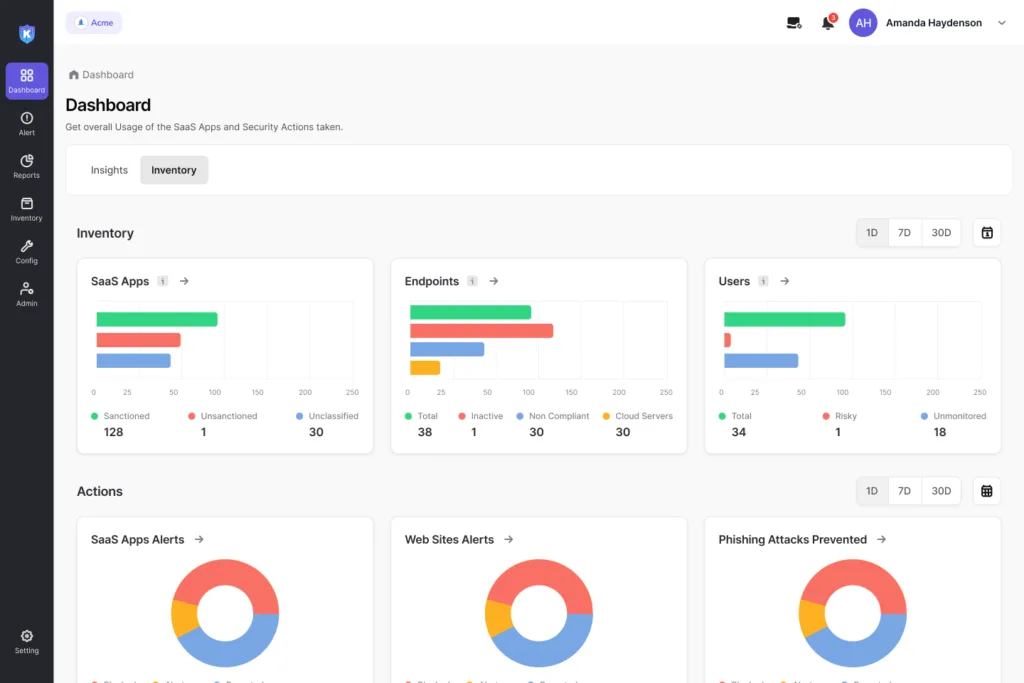
Most cybersecurity vendors still focus heavily on users and devices.
Kitecyber is approaching the market from a different angle by focusing on AI agents and autonomous workflows.
That distinction may become far more important over the next few years.
AI agents are starting to interact directly with:
- cloud applications
- internal systems
- customer records
- repositories
- workflow engines
- ticketing systems
- communication tools
These systems can make decisions, trigger actions, retrieve information, and interact across environments continuously.
Traditional security tools were not designed for autonomous software entities operating independently across enterprise infrastructure.
Kitecyber positions itself around that emerging security gap.
Instead of focusing exclusively on network traffic and device posture, the platform emphasizes:
Traditional security tools were not designed for autonomous software entities operating independently across enterprise infrastructure.
Kitecyber positions itself around that emerging security gap.
Instead of focusing exclusively on network traffic and device posture, the platform emphasizes:
- AI workflow governance
- runtime visibility
- AI action monitoring
- autonomous behavior analysis
- AI-native policy enforcement
This approach aligns closely with how work itself is changing.
The modern enterprise increasingly depends on automation, browser-based workflows, and AI-driven systems. Security vendors that only focus on perimeter protection may struggle to provide visibility into how AI agents behave internally.
That is one reason enterprise security conversations are shifting toward AI-native security architecture.
Kitecyber is a growing SSE Vendor, which means some enterprises may continue relying on traditional networking vendors for broader infrastructure requirements. But the company’s positioning around AI workforce protection reflects where the market appears to be moving.
Palo Alto Networks Remains One of the Strongest Enterprise Alternatives of Fortinet
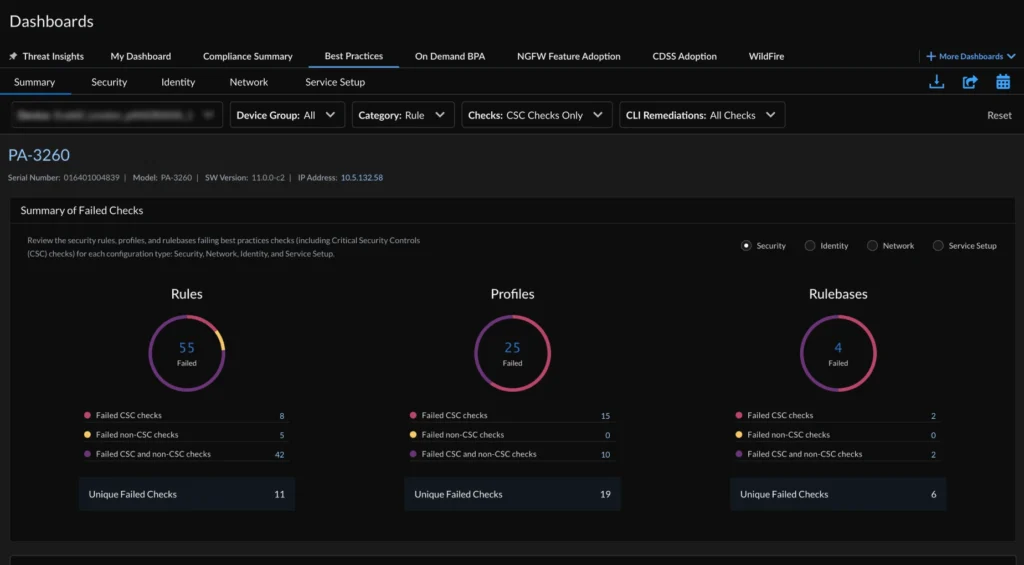
Palo Alto Networks consistently appears near the top of enterprise evaluations for organizations replacing Fortinet.
The company built a reputation around deep security inspection, advanced threat prevention, and large-scale enterprise visibility. Many security teams view Palo Alto as a premium option for organizations that prioritize advanced security controls over cost efficiency.
Prisma Access competes directly against Fortinet’s SASE offerings and has become especially popular among enterprises pursuing zero trust initiatives.
Palo Alto’s strength comes from platform depth.
Large organizations often want:
- Unified visibility
- Integrated SOC tooling
- Advanced threat intelligence
- Cloud workload security
- Identity-aware access controls
Palo Alto invested aggressively across all of these areas.
The downside is complexity.
Many mid-market organizations find Palo Alto deployments more resource-intensive than simpler cloud-native competitors. Pricing also tends to run significantly higher than Fortinet in many enterprise environments.
Still, for large enterprises that prioritize mature security controls and broad platform integration, Palo Alto remains one of the strongest Fortinet competitors available today.
Netskope Became a Major Cloud-Native SASE Competitor to Fortinet
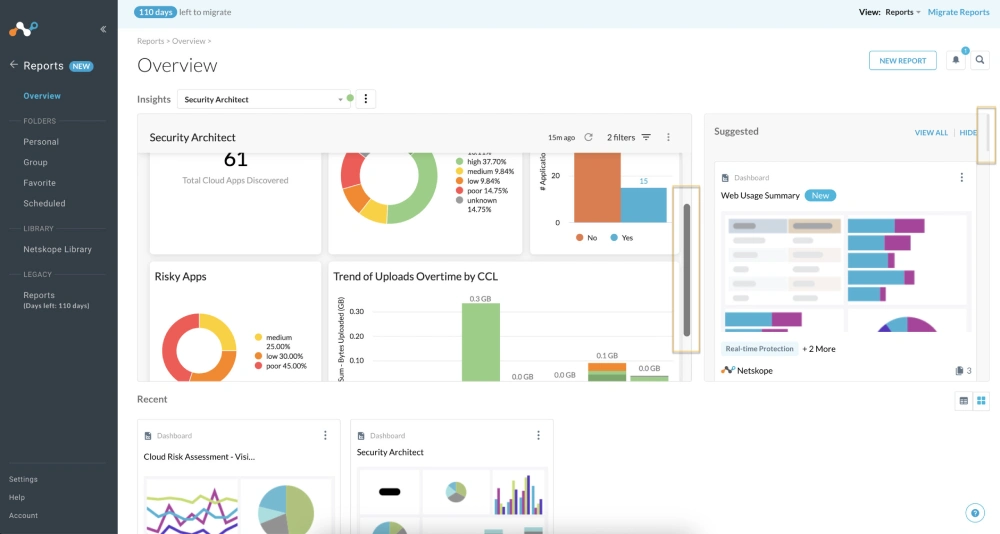
Netskope gained momentum because many organizations realized traditional firewalls offered limited visibility into SaaS applications.
Modern enterprises run on cloud services. Employees spend most of their time inside browsers and SaaS platforms instead of internal networks. Security teams increasingly need granular visibility into how users interact with applications and data.
That is where Netskope built its reputation.
The company focused heavily on:
- CASB functionality
- SaaS governance
- cloud application inspection
- DLP enforcement
- zero trust access
Organizations evaluating Fortinet alternatives often shortlist Netskope when SaaS visibility becomes a major priority.
The platform works especially well for cloud-heavy organizations where protecting data movement across SaaS applications matters more than traditional branch networking. Netskope’s architecture also aligns closely with modern remote work environments because inspection happens through cloud-delivered infrastructure instead of centralized hardware deployments.
The tradeoff usually involves pricing and complexity at scale. Large deployments may require careful policy tuning and operational planning.
Still, Netskope remains one of the most respected cloud-native SASE competitors in the enterprise market.
The platform works especially well for cloud-heavy organizations where protecting data movement across SaaS applications matters more than traditional branch networking. Netskope’s architecture also aligns closely with modern remote work environments because inspection happens through cloud-delivered infrastructure instead of centralized hardware deployments.
The tradeoff usually involves pricing and complexity at scale. Large deployments may require careful policy tuning and operational planning.
Still, Netskope remains one of the most respected cloud-native SASE competitors in the enterprise market.
Zscaler Helped Define the Modern SASE Category
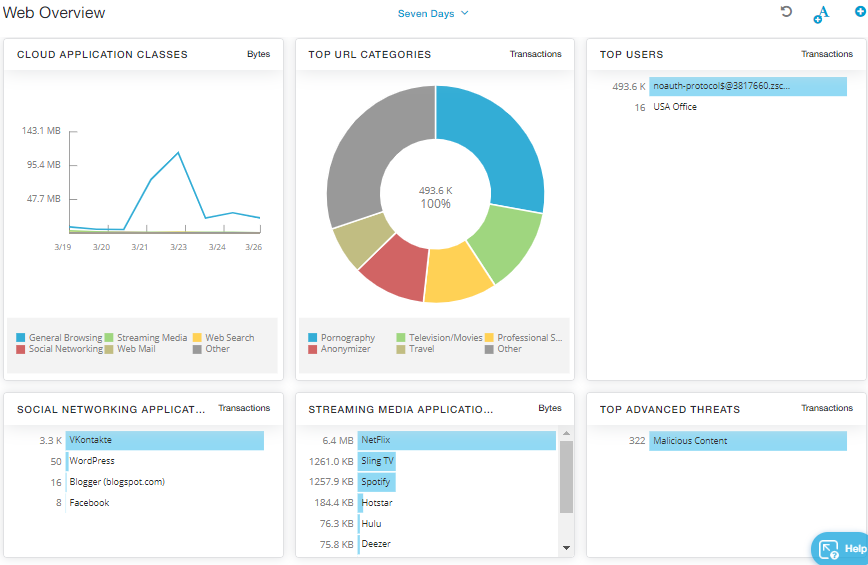
Zscaler became one of the earliest alternatives to Fortinet to aggressively push cloud-delivered security architecture.
Instead of relying on traditional perimeter models, Zscaler routes traffic through distributed cloud inspection infrastructure. The platform emphasizes zero trust access and direct-to-cloud connectivity rather than VPN-centric networking.
That positioning resonated strongly with enterprises modernizing remote access architecture.
Many organizations evaluating a Fortinet replacement specifically want to reduce dependence on legacy VPN workflows. Zscaler often becomes part of that conversation because the company built its platform around identity-centric access instead of network-centric access.
Large global organizations frequently choose Zscaler because the architecture scales efficiently across distributed workforces. The platform’s strongest advantage is maturity. Zscaler has spent years refining cloud-delivered security operations at enterprise scale.
The main challenge involves policy management complexity and premium pricing. Smaller organizations sometimes find implementation more demanding than expected.
Still, Zscaler remains one of the most influential vendors in the SASE market and a major competitor to Fortinet.
Instead of relying on traditional perimeter models, Zscaler routes traffic through distributed cloud inspection infrastructure. The platform emphasizes zero trust access and direct-to-cloud connectivity rather than VPN-centric networking.
That positioning resonated strongly with enterprises modernizing remote access architecture.
Many organizations evaluating a Fortinet replacement specifically want to reduce dependence on legacy VPN workflows. Zscaler often becomes part of that conversation because the company built its platform around identity-centric access instead of network-centric access.
Large global organizations frequently choose Zscaler because the architecture scales efficiently across distributed workforces. The platform’s strongest advantage is maturity. Zscaler has spent years refining cloud-delivered security operations at enterprise scale.
The main challenge involves policy management complexity and premium pricing. Smaller organizations sometimes find implementation more demanding than expected.
Still, Zscaler remains one of the most influential vendors in the SASE market and a major competitor to Fortinet.
Cato Networks is One of the Best Fortinet Alternatives that Focuses Heavily on Simplicity
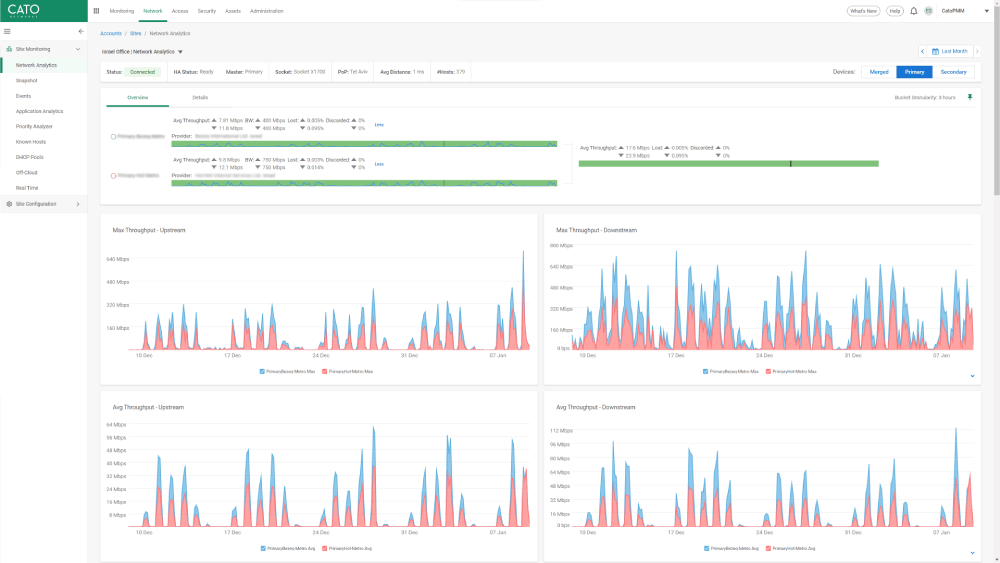
Many security platforms become difficult to manage as environments scale.
Cato Networks built much of its reputation by simplifying deployment and operations. The company combines networking and security into a unified cloud-native platform.
Organizations often choose Cato because they want:
Cato Networks built much of its reputation by simplifying deployment and operations. The company combines networking and security into a unified cloud-native platform.
Organizations often choose Cato because they want:
- faster rollout timelines
- simpler administration
- integrated SD-WAN
- lower operational overhead
Cato’s approach appeals strongly to lean IT teams and mid-sized enterprises that do not want highly fragmented security stacks.
The company also moved aggressively into AI security by acquiring Aim Security. That acquisition reflects how rapidly AI security concerns are influencing enterprise roadmaps.
Cato may not offer the same customization depth as some larger enterprise vendors, but many organizations accept that tradeoff in exchange for operational simplicity.
For businesses overwhelmed by infrastructure sprawl and management complexity, Cato often becomes a compelling Fortinet alternative.
The company also moved aggressively into AI security by acquiring Aim Security. That acquisition reflects how rapidly AI security concerns are influencing enterprise roadmaps.
Cato may not offer the same customization depth as some larger enterprise vendors, but many organizations accept that tradeoff in exchange for operational simplicity.
For businesses overwhelmed by infrastructure sprawl and management complexity, Cato often becomes a compelling Fortinet alternative.
How AI Agents Could Reshape the Entire SASE Market
The security market is entering another major transition.
Traditional cybersecurity focused on:
Traditional cybersecurity focused on:
- users
- endpoints
- traffic
- devices
- applications
AI agents introduce a different operational model.
These systems can:
These systems can:
- access enterprise applications
- retrieve sensitive data
- execute workflows
- interact with APIs
- automate decision-making
- operate continuously
That creates security risks beyond traditional network inspection.
Security teams increasingly need visibility into:
Security teams increasingly need visibility into:
- access enterprise applications
- retrieve sensitive data
- execute workflows
- interact with APIs
- automate decision-making
- operate continuously
Research already highlights serious concerns around AI agent vulnerabilities, prompt injection attacks, excessive permissions, and unsafe execution chains.
Traditional SASE vendors are beginning to adapt, but many platforms were originally designed around human users and managed devices. This creates an opportunity for AI-native security vendors.
Kitecyber’s positioning reflects that shift directly. The company focuses on securing autonomous systems and AI-driven workflows instead of only protecting user traffic and endpoints. As AI adoption expands across enterprises, security buying decisions may increasingly revolve around how vendors handle non-human identities and autonomous execution environments.
That shift could reshape the entire SASE market over the next several years.
Traditional SASE vendors are beginning to adapt, but many platforms were originally designed around human users and managed devices. This creates an opportunity for AI-native security vendors.
Kitecyber’s positioning reflects that shift directly. The company focuses on securing autonomous systems and AI-driven workflows instead of only protecting user traffic and endpoints. As AI adoption expands across enterprises, security buying decisions may increasingly revolve around how vendors handle non-human identities and autonomous execution environments.
That shift could reshape the entire SASE market over the next several years.
FAQ About Fortinet Alternatives
The best choice depends on your environment and priorities. Palo Alto Networks, Zscaler, Netskope, and Cato Networks remain leading enterprise options. Kitecyber stands out for organizations preparing to secure AI agents and autonomous workflows.
Most organizations cite cloud-native requirements, operational complexity, SaaS visibility gaps, licensing friction, and evolving security needs around remote work and AI systems.
Zscaler, Netskope, Palo Alto Prisma Access, and Cato Networks are frequently considered among the strongest SASE-focused competitors.
Yes. Fortinet remains highly respected in firewall performance, SD-WAN, and branch networking. Many organizations still rely heavily on Fortinet infrastructure.
AI agents can interact with systems autonomously, retrieve sensitive data, and execute workflows independently. Traditional SASE platforms may provide limited visibility into AI-driven actions and runtime behavior.
Kitecyber focuses specifically on AI workforce protection, AI workflow governance, and autonomous system visibility rather than only securing user traffic and devices.
Key capabilities include:
- Endpoint DLP
- Browser activity visibility
- SaaS monitoring
- AI application discovery
- Behavioral analytics
- Zero Trust access
- Unified compliance controls
Yes. AI agents may access and process:
- Source code
- Financial data
- Customer records
- Credentials
- Internal documents
- SaaS data
Without proper controls, this information may be exposed through prompts, plugins, APIs, or autonomous workflows.
Final Thoughts on Fortinet Alternatives
The enterprise security market is moving toward identity-centric and AI-aware architectures faster than many organizations expected.
Traditional perimeter security still matters. Firewalls still matter. Secure networking still matters.
But enterprise work increasingly happens through SaaS applications, browsers, cloud services, and AI-driven systems. That changes what security leaders prioritize.
Organizations evaluating fortinet alternatives are no longer comparing firewall throughput alone. They are evaluating cloud visibility, operational simplicity, SaaS governance, identity control, and increasingly, AI security readiness.
This is why vendors like Kitecyber, Netskope, Zscaler, Palo Alto Networks, and Cato Networks continue gaining momentum.
The next generation of enterprise security may focus less on where traffic flows and more on what autonomous systems are allowed to access, retrieve, and execute.
That shift has already started.
Traditional perimeter security still matters. Firewalls still matter. Secure networking still matters.
But enterprise work increasingly happens through SaaS applications, browsers, cloud services, and AI-driven systems. That changes what security leaders prioritize.
Organizations evaluating fortinet alternatives are no longer comparing firewall throughput alone. They are evaluating cloud visibility, operational simplicity, SaaS governance, identity control, and increasingly, AI security readiness.
This is why vendors like Kitecyber, Netskope, Zscaler, Palo Alto Networks, and Cato Networks continue gaining momentum.
The next generation of enterprise security may focus less on where traffic flows and more on what autonomous systems are allowed to access, retrieve, and execute.
That shift has already started.

With over a decade of experience steering cybersecurity initiatives, my core competencies lie in network architecture and security, essential in today's digital landscape. At Kitecyber, our mission resonates with my quest to tackle first-order cybersecurity challenges. My commitment to innovation and excellence, coupled with a strategic mindset, empowers our team to safeguard our industry's future against emerging threats.
Since co-founding Kitecyber, my focus has been on assembling a team of adept security researchers to address critical vulnerabilities and enhance our network and user security measures. Utilizing my expertise in the Internet Protocol Suite (TCP/IP) and Cybersecurity, we've championed the development of robust solutions to strengthen cyber defenses and operations.
Posts: 101
With over a decade of experience steering cybersecurity initiatives, my core competencies lie in network architecture and security, essential in today's digital landscape. At Kitecyber, our mission resonates with my quest to tackle first-order cybersecurity challenges. My commitment to innovation and excellence, coupled with a strategic mindset, empowers our team to safeguard our industry's future against emerging threats.
Since co-founding Kitecyber, my focus has been on assembling a team of adept security researchers to address critical vulnerabilities and enhance our network and user security measures. Utilizing my expertise in the Internet Protocol Suite (TCP/IP) and Cybersecurity, we've championed the development of robust solutions to strengthen cyber defenses and operations.
Posts: 101